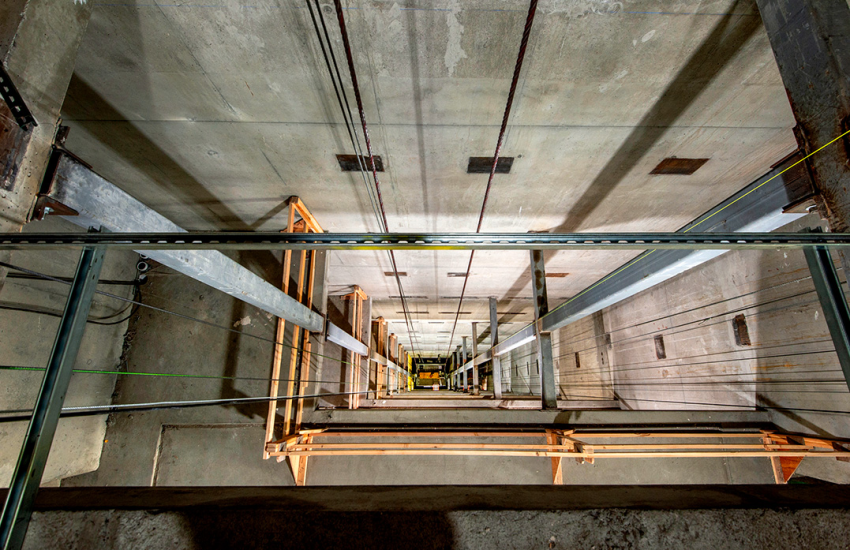
Workplace safety continues depending significantly on properly maintained equipment across construction and industrial work environments. Understanding how consistent maintenance attention supports this safety helps employers appreciate its genuine, practical value. Exploring this connection helps illustrate why equipment upkeep deserves genuine workplace priority. Setting clear expectations from the outset helps avoid confusion or disappointment later in the process. Seeking recommendations from trusted sources can help narrow down choices and reduce uncertainty considerably.
Why Equipment Reliability Directly Affects Workplace Safety
Malfunctioning equipment represents a significant safety hazard for workers operating at height or in demanding industrial environments. This reality makes equipment reliability a genuine safety priority rather than simply an operational convenience for employers. Understanding this connection helps employers appreciate why maintenance deserves genuine workplace safety attention. Recognizing this importance supports more proactive approaches to overall equipment management planning. Planning ahead rather than reacting to problems after they arise consistently produces better overall outcomes.
The Safety Considerations Surrounding Scissor Lift Operation
Operating a scissor lift safely requires consistent attention to equipment condition, given the elevated working positions this equipment typically involves. This particular equipment type demands especially careful maintenance attention given the direct safety implications of any mechanical malfunction. Understanding these safety considerations helps employers appreciate why this particular equipment category deserves consistent, thorough maintenance attention. This heightened attention explains why safety-focused maintenance deserves genuine workplace priority for this specific equipment type.
Understanding Common Warning Signs Requiring Attention
Unusual noises, uneven movement, or slower than normal operation all commonly signal that lift equipment requires professional evaluation before continued use. Recognizing these warning signs early helps prevent minor issues from developing into more significant, potentially dangerous malfunctions. Understanding these common indicators helps workplace safety personnel identify when equipment requires immediate professional attention. This early recognition significantly supports overall workplace safety and equipment reliability. Small details, often overlooked at first glance, can make a meaningful difference in the final result.
The Importance of Prompt, Professional Lift Repairs
Addressing equipment issues through prompt, professional lift repairs helps restore safe operational function before continued use creates unnecessary workplace risk. This proactive approach helps prevent minor mechanical problems from developing into more significant safety hazards over time. Understanding this connection helps employers appreciate why prompt repair attention deserves genuine workplace safety priority. This timely maintenance significantly reduces the risk of equipment-related workplace incidents and injuries.
Building a Consistent Equipment Safety Program
Scheduling regular professional inspections helps identify developing issues before they create genuine workplace safety concerns. Training workers to recognize warning signs helps create an additional layer of ongoing safety awareness throughout daily operations. Working with qualified, experienced service providers helps ensure equipment receives appropriate, thorough maintenance attention. This comprehensive approach significantly supports a genuinely safer overall workplace environment. Consistent attention over time tends to produce far better results than occasional, sporadic effort.
Conclusion
Consistent equipment maintenance continues providing essential support for workplace safety across construction and industrial environments. Understanding warning signs and the importance of prompt attention helps employers approach equipment management more proactively. With comprehensive maintenance programs, workplaces can significantly reduce equipment-related safety risks. Staying informed about industry standards helps property owners and businesses make more confident, educated decisions. Balancing short-term convenience against long-term value remains an important part of almost any major decision.