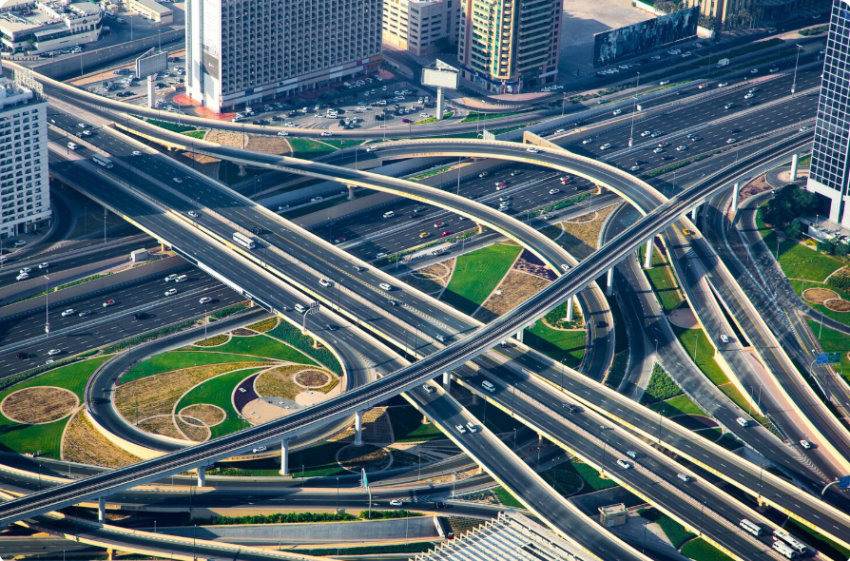
Busy roads can become confusing when normal traffic patterns suddenly change. A lane may be closed, a parking area may move, or roadwork may send vehicles in a different direction. Drivers need enough warning to understand what is happening and make safe decisions without suddenly hitting the brakes.
Temporary traffic arrangements can help by making changes easier to see and follow. Whether the situation involves construction, an outdoor event, or a blocked section of road, simple visual guidance can make a surprisingly big difference.
Make Hazards Visible
When drivers approach a changed traffic area, they need to notice hazards early enough to react calmly. A barrier or obstacle that appears at the last second can lead to sudden braking or unsafe lane changes. Temporary markers should be placed where drivers can see them clearly before reaching the affected area.
Their position should give people enough time to slow down or adjust their direction. Visibility matters just as much as placement. Something hidden behind a parked vehicle or construction equipment is not doing much to help.
Create A Clear Path
When a normal road layout changes, drivers need a simple path to follow. Temporary markers can help show where vehicles should travel around blocked lanes, work areas, parking spaces, or event zones. A clearly marked route reduces guesswork.
Without one, drivers may suddenly move into another lane because they are unsure where they are supposed to go. That can create problems when several vehicles are trying to make the same decision at once. A clear path keeps traffic more predictable and gives everyone a better idea of what comes next.
Use Traffic Safety Cones
Traffic safety cones are a simple way to make temporary changes on busy roads more noticeable. Their bright appearance helps draw attention to areas where drivers need to slow down, move over, or avoid a particular space.
They can help separate vehicles from temporary hazards such as roadwork or blocked sections. They are also useful around parking areas and events where the usual traffic arrangement may not apply. Their simple design is part of what makes them useful.
Think About Nighttime
Darkness can make temporary traffic arrangements harder to see. Rain, fog, and poor lighting can create another layer of difficulty, especially for drivers approaching a changed road layout. Temporary markers should remain noticeable in different conditions.
Before an area becomes busy, organizers should check what the setup looks like from a driver’s viewpoint rather than assuming everything will be obvious. Lighting can also affect visibility. A marker that is easy to spot during the afternoon may become much harder to notice at night.
Check The Setup
Temporary traffic arrangements should not be placed once and then forgotten. Vehicles, weather, and ongoing work can move or damage markers throughout the day. Regular checks can make sure the path is still clear and the markers remain where they are supposed to be.
If traffic patterns change, the setup may need to change too. It is also worth checking for anything blocking important markers. A cone hidden behind equipment is about as useful as a road sign facing the wrong direction.