
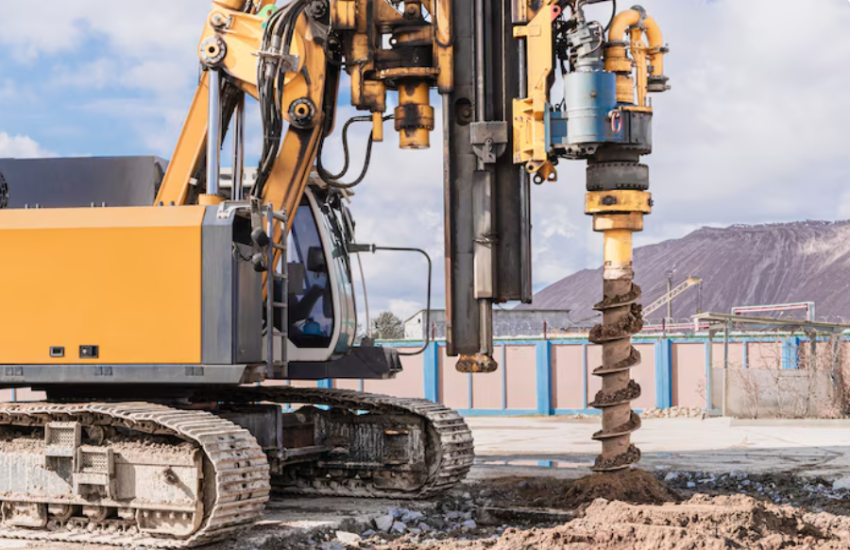
Drilling projects require equipment that can work efficiently while handling different ground conditions. Whether the job involves oil and gas wells, mining, construction, or water wells, choosing the right drill bit can make a major difference. A tricone drill bit is widely used because of its ability to break hard and soft formations while maintaining steady drilling performance. Its rotating cones, durable cutting structures, and practical design make it a valuable option for many demanding applications.
Understanding the Tricone Drill Bit
A tricone drill bit is a drilling tool designed with three rotating cones. Each cone contains teeth or tungsten carbide inserts that help break and crush the formation as the bit moves through the ground. As the cones rotate, they work together to remove rock and create a path for deeper drilling.
This design allows a tricone drill bit to handle a variety of formations. Different designs are available for soft, medium, and hard rock, allowing drilling professionals to select a bit according to the specific requirements of a project.
Faster Drilling Through Efficient Rock Breaking
One of the main benefits of a tricone drill bit is its ability to break rock efficiently. The three cones distribute the drilling force across the bottom of the hole, helping the cutting structures penetrate and fracture the formation. This can allow the bit to advance steadily without relying on a single cutting surface.
Efficient rock breaking can help reduce the time needed to reach the required depth. When the appropriate bit is selected for the formation, drilling operations can become more productive and require fewer interruptions for tool changes.
Reliable Performance in Different Formations
Ground conditions can change considerably during a drilling project. A tool that works well in one type of formation may not perform as effectively in another. Tricone drill bits are available in different configurations to address these variations.
A tricone drill bit designed for softer formations may use longer and more widely spaced teeth, while a bit intended for harder rock may use durable inserts that can withstand greater impact and wear. This flexibility helps drilling teams choose equipment that matches the conditions beneath the surface.
Durable Design for Demanding Applications
Drilling equipment is exposed to significant pressure, friction, impact, and heat. For this reason, durability is an important factor when selecting a drill bit. Tricone designs use robust materials and cutting structures intended to withstand demanding working conditions.
A durable tricone drill bit can continue performing effectively over an extended drilling interval when it is properly selected and operated. Good durability can also help reduce unnecessary downtime caused by premature wear or frequent bit replacement.
Improving Overall Drilling Efficiency
The right drill bit can influence more than just drilling speed. It can also affect energy use, equipment operation, maintenance requirements, and overall project productivity. A tricone drill bit that matches the formation can help maintain a consistent rate of penetration and reduce avoidable delays.
Proper operating conditions are also important. Applying suitable weight on bit, rotation speed, and drilling fluid flow can help the bit perform as intended. Regular inspection can further identify signs of wear before they significantly affect drilling progress.
Choosing the Right Tricone Drill Bit
Selecting a tricone drill bit should begin with an understanding of the formation and project requirements. Factors such as rock hardness, abrasiveness, hole size, drilling depth, and expected penetration rate should all be considered. The bit’s tooth or insert design should also match the type of material being drilled.
Working with knowledgeable drilling equipment professionals can make the selection process easier. The right choice can improve performance while helping reduce unnecessary operating costs.
Conclusion
A tricone drill bit provides an effective combination of speed, durability, and versatility for many drilling applications. Its three-cone design helps break formations efficiently, while different cutting structures allow it to work across a range of ground conditions. By selecting the right bit and using it under suitable operating conditions, drilling teams can improve productivity, reduce downtime, and achieve more reliable results.